.png)
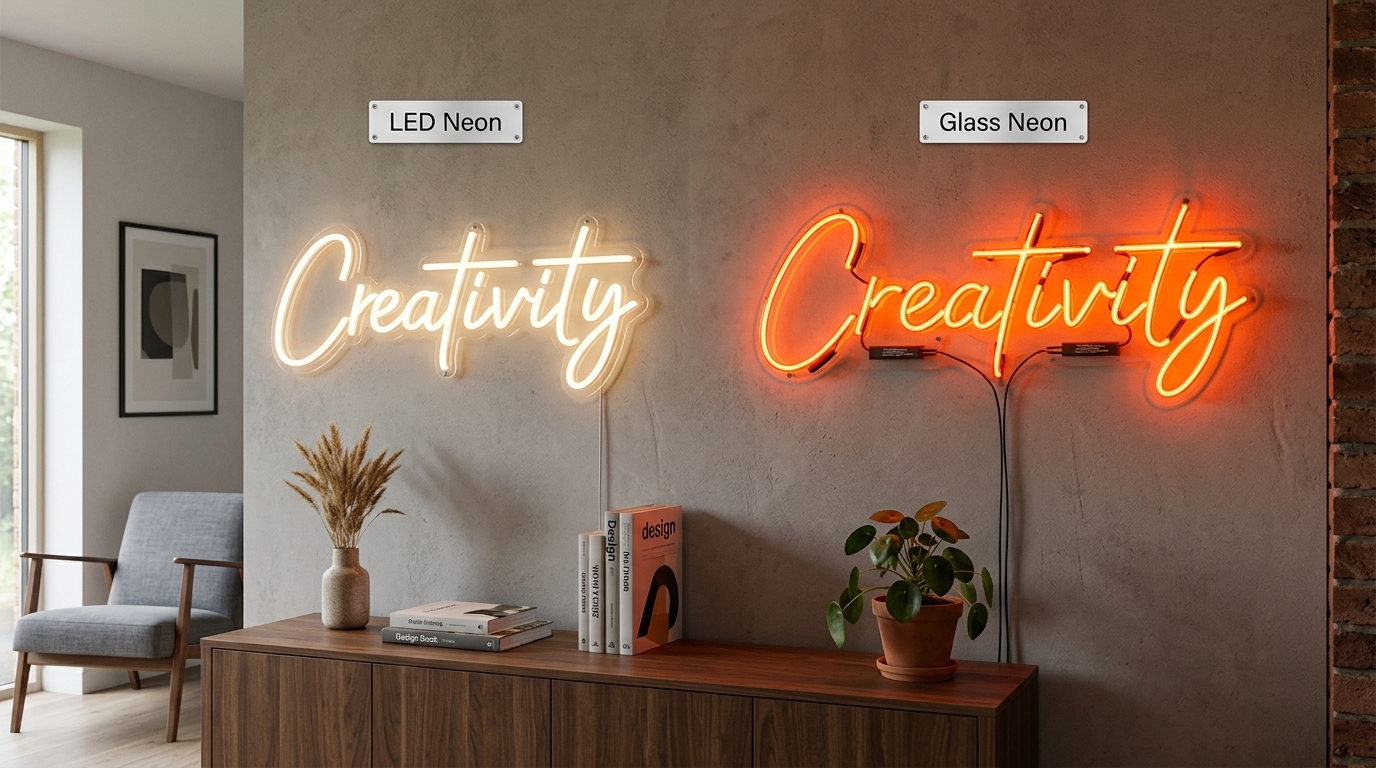
When choosing a neon sign today, most people assume newer means better. But when it comes to LED neon vs traditional neon, the decision is not that simple. The wrong choice can lead to higher costs, safety risks, or a design that doesn't match your brand or space.
So, which one should you actually choose?
Introduction
Neon signs have been a popular way to attract attention for decades. From classic shop signs to modern home décor, they are everywhere. Today, there are two main types: LED neon and traditional glass neon.
Both look similar from a distance, but they are completely different in how they work, how much they cost, and how long they last.
In this guide, you'll learn the difference between LED neon and traditional neon, understand real-life use cases, and clearly decide which is better LED neon or traditional neon for your needs.
What is LED Neon?
LED neon is a modern lighting solution made using flexible LED strips covered with silicone or plastic. These strips are designed to copy the look of traditional neon, but with better performance.
In simple terms, LED neon is a safer and more efficient version of neon lighting.
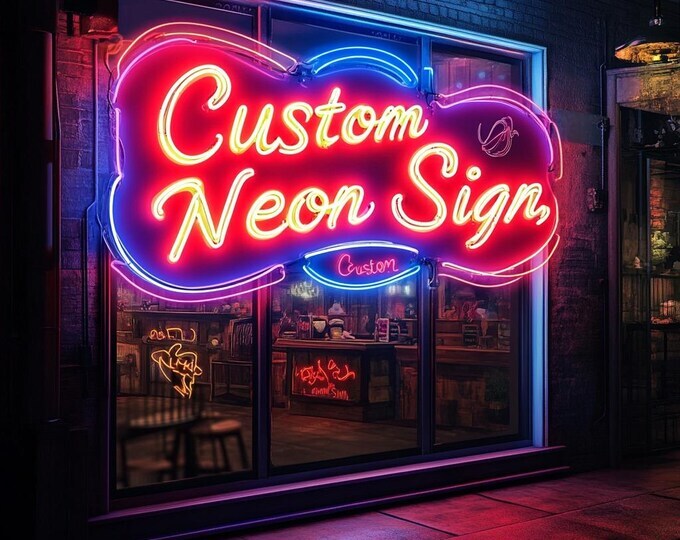
It has become very popular in the UK, especially for custom LED neon signs UK businesses use for branding and decoration.
LED neon is commonly used in:
Key Features of LED Neon
LED neon is designed for everyday use. It offers:
Low electricity usage, making it one of the best energy efficient neon signs
Flexible design options for text, logos, and shapes
Lightweight structure that is easy to install
Cool surface that does not heat up
Long lifespan, often lasting years without issues
Because of these features, LED neon is now the most practical choice for most users.
What is Traditional Neon?
Traditional neon signs are made using glass tubes filled with gases like neon or argon. When electricity passes through the gas, the tubes glow.
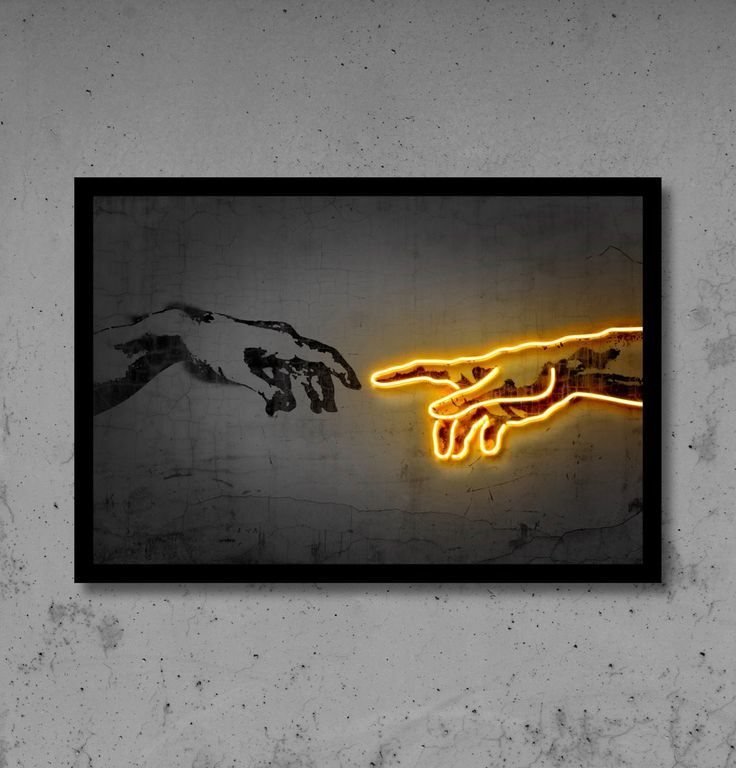
This is the original neon technology that has been used for many years. It is often linked with vintage shops, bars, and artistic signage.
Each sign is handmade by bending glass tubes into shapes, which makes it more of a craft than a simple product.
Key Features of Traditional Neon
Traditional neon signs are known for their classic look and craftsmanship. They offer:
A unique and continuous glow that looks very authentic
Handcrafted glass tubes
A warm and nostalgic feel
High voltage operation
Fragile structure due to glass material
While they look beautiful, they are not always practical for modern use.
LED Neon vs Traditional Neon: Key Differences
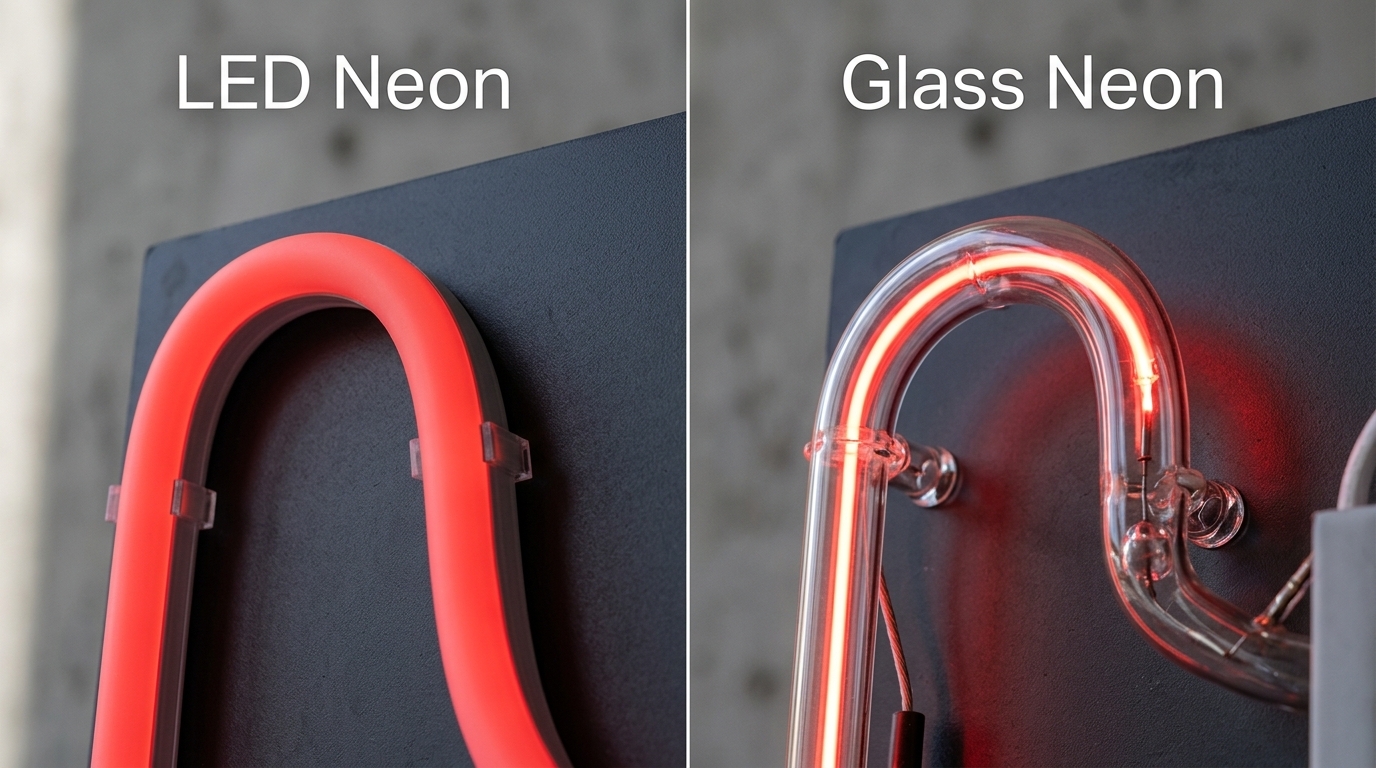
To truly understand the LED neon vs glass neon signs comparison, you need to look at real factors that matter in daily use.
1. Energy Efficiency
Energy usage is one of the biggest differences.
LED neon uses very little power compared to traditional neon. It is designed to save electricity and reduce running costs.
Traditional neon, on the other hand, requires high voltage to light up the gas inside the tubes.
Result: LED neon is much more energy efficient and better for long-term savings.
2. Durability
The durability of LED neon vs glass neon is a major deciding factor.
LED neon is made from flexible materials, so it can handle minor impacts and movement.
Traditional neon is made of glass, which means it can easily break if dropped or hit.
Result: LED neon is far more durable and suitable for everyday use.
3. Safety
Safety is very important, especially for homes and public spaces.
In a neon sign safety comparison, LED neon performs much better.
LED neon:
Works on low voltage
Does not get hot
Has no risk of glass breaking
Traditional neon:
Uses high voltage
Can heat up
Can break and cause damage
Result: LED neon is the safer option.
4. Cost Comparison
When comparing LED neon signs vs neon lights cost, you need to look beyond just the price tag.
LED neon:
Lower initial cost
Very low electricity bills
Almost no maintenance cost
Traditional neon:
Higher upfront cost due to handmade process
Expensive repairs
Higher electricity consumption
Result: LED neon is more affordable both short-term and long-term.
5. Appearance
Appearance is one area where traditional neon still has an edge.
Traditional neon gives a very natural and continuous glow that many people love.
LED neon tries to copy that look and does a good job, but it may look slightly softer or diffused.
Result:
For a vintage and authentic look → Traditional neon
For modern and clean designs → LED neon
6. Customization
Customization is where LED neon clearly wins.
LED neon can be shaped into almost anything. It is quick to produce and easy to modify.
Traditional neon is limited because glass bending is a slow and skilled process.
Result: LED neon is better for custom designs and branding.
Which is Better LED Neon or Traditional Neon?
The answer depends on your needs, but for most people, LED neon is the better choice.
LED Neon is better if you want:
Lower cost
Energy savings
Safe usage
Long-lasting signs
Easy customization
Traditional Neon is better if you want:
A classic vintage look
Artistic and handcrafted design
Premium branding feel
For most businesses and homes, LED neon is the smarter and more practical option.
Real-Life Use Cases
Understanding how people actually use these signs can make your decision easier.
For Businesses
Shops, salons, and restaurants mostly choose LED neon because it:
Saves electricity
Requires less maintenance
Is safer for customers
For Home Décor
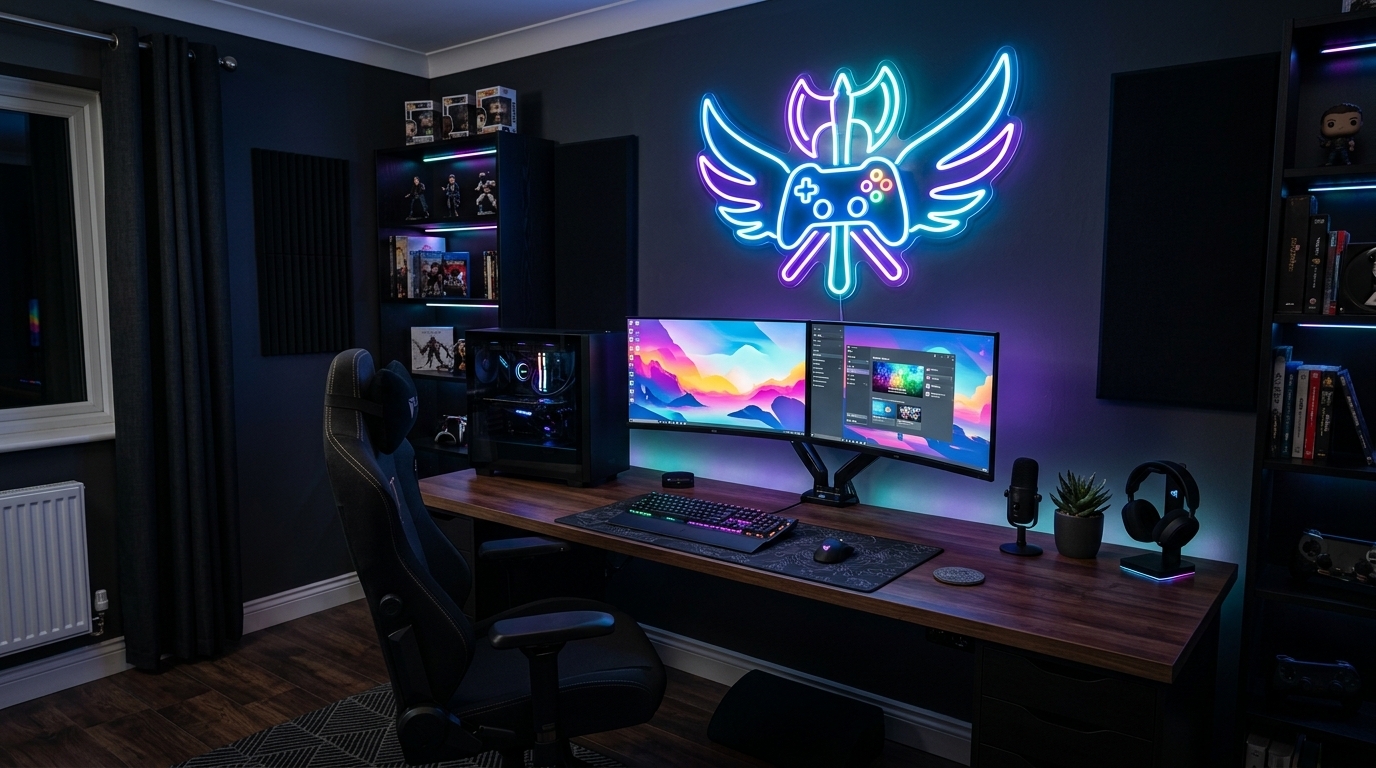
LED neon is very popular in homes because it:
Is lightweight
Does not heat up
Looks modern and stylish
For Events
LED neon is widely used in weddings and parties because it:
Is easy to move
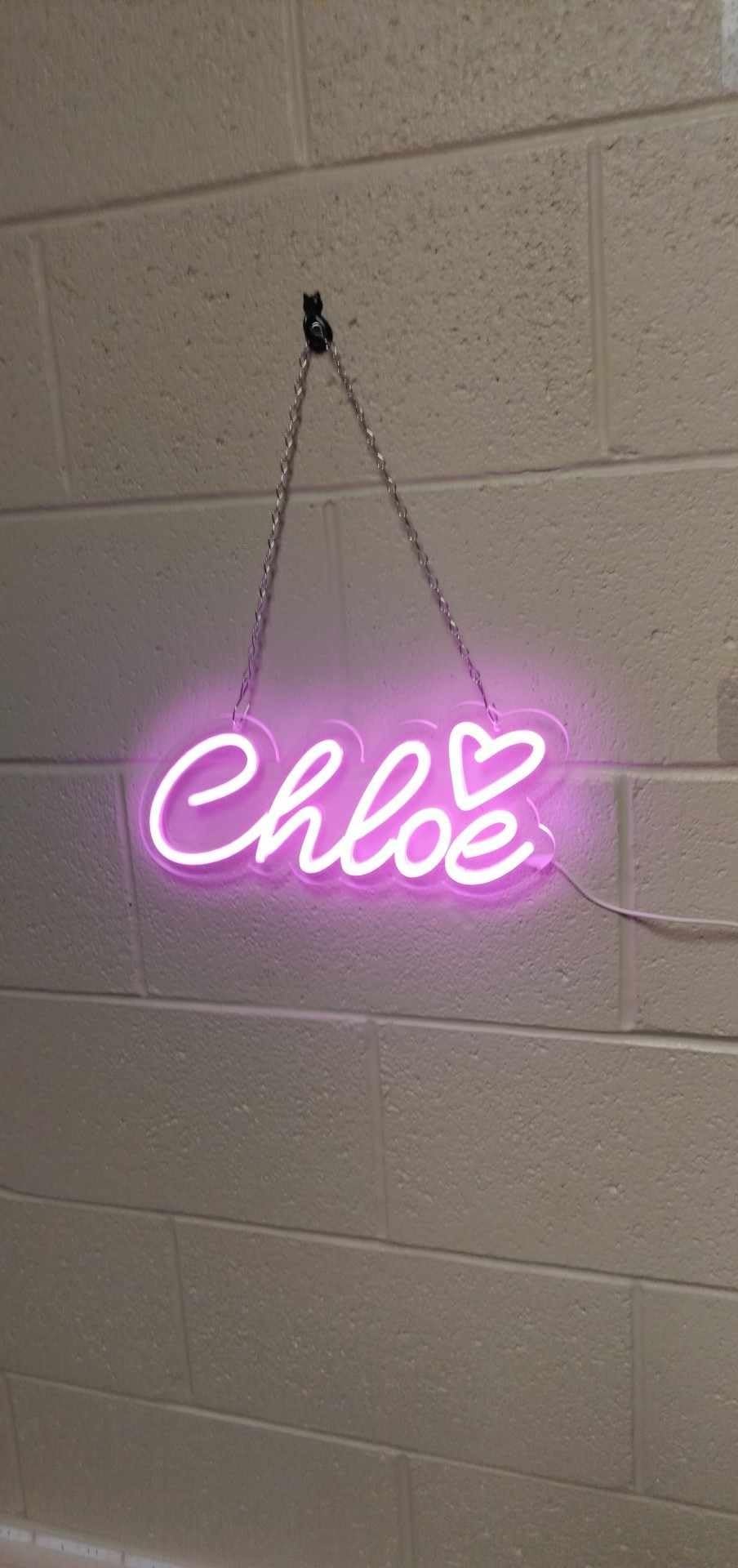
Can be customized with names or messages
Is durable during transport
What Most People Don't Know (Important Insights)
Many articles explain features but miss real-life factors that matter.
Installation
LED neon is very easy to install. Most signs are plug-and-play.
Traditional neon usually requires professional installation due to wiring and glass handling.
Maintenance
LED neon requires almost no maintenance.
Traditional neon may need repairs if the glass breaks or the gas leaks over time.
Outdoor Use
LED neon works well both indoors and outdoors.
Traditional neon can be affected by weather conditions and needs extra care.
Long-Term Value
If you are using signage for business, LED neon gives better return because:
It lasts longer
It costs less to run
It needs fewer repairs
Practical Buying Guide
Before choosing between LED neon and traditional neon, think about these questions.
What is your purpose?
If your goal is decoration or branding, LED neon is usually better.
If your goal is artistic or vintage style, traditional neon can work.
Where will you use it?
For outdoor or high-traffic areas, LED neon is safer and stronger.
For controlled indoor environments, both can work.
What is your budget?
If you want something affordable and long-lasting, LED neon is the better option.
If budget is not a concern and you want something unique, traditional neon is an option.
How much effort do you want to put in?
If you want something easy and low maintenance, go for LED neon.
If you don't mind repairs and care, traditional neon can be considered.
Final Verdict: LED Neon vs Traditional Neon
When comparing LED neon vs traditional neon, the modern option clearly stands out for most users.
LED neon is better in:
Efficiency
Safety
Cost
Durability
Customization
Traditional neon still has value, but mainly for niche uses where appearance matters more than practicality.