.png)

Neon signs can transform a bedroom, home office, shop, or café, but one question matters before installation: are neon signs safe? Modern LED neon signs are generally safe when properly manufactured, correctly powered, and installed according to instructions.
LED neon is different from traditional glass neon. Instead of fragile glass tubes and high-voltage systems, it normally uses LEDs inside flexible silicone tubing with a low-voltage power supply. This makes it suitable for many homes and businesses, including bedrooms and children's rooms.
This guide covers LED neon safety, heat, bedroom use, fire risks, overnight operation, and what UK buyers should check.
Are Neon Signs Safe?
Yes, LED neon signs are safe for indoor decorative use when manufactured correctly and installed properly. Safety depends on the electrical setup, not the glowing sign.
An adapter converts mains electricity to low-voltage direct current, reducing electrical risk at the illuminated section. However, damaged cables, unsuitable adapters, loose connections, moisture, or incorrect installation can still create hazards.
For buyers in Great Britain, purchase electrical products from established suppliers and check appropriate conformity information. UK government guidance states that applicable electrical equipment placed on the GB market must meet relevant safety objectives and conformity requirements.
Are LED Neon Signs Safe?
LED neon signs provide decorative illumination with relatively low power consumption and low heat output. Flexible tubing also removes fragile glass. However, a poor-quality sign, damaged cable, overloaded adapter, or unsuitable installation can still create electrical or fire risks.
Mains electricity enters through the plug, while the adapter converts it to the lower voltage used by the sign. The adapter may become warmer than the tubing, so keep it ventilated, dry, and uncovered.
Do LED Neon Signs Get Hot?
Quality LED neon normally produces much less heat than traditional lighting and should remain comfortable to touch during normal operation. However, "cool" does not mean every component stays cold.
The LEDs produce some heat, while the adapter may become warm. Excessive heat, a burning smell, discolouration, buzzing, damaged insulation, or unusual warmth should not be ignored.
Keep the power supply ventilated. Do not place it under bedding, inside tightly packed storage, or against materials that trap heat. Electrical Safety First also recommends following manufacturer instructions and using suitable equipment for lighting installations.
Are Neon Signs Safe for Bedrooms?
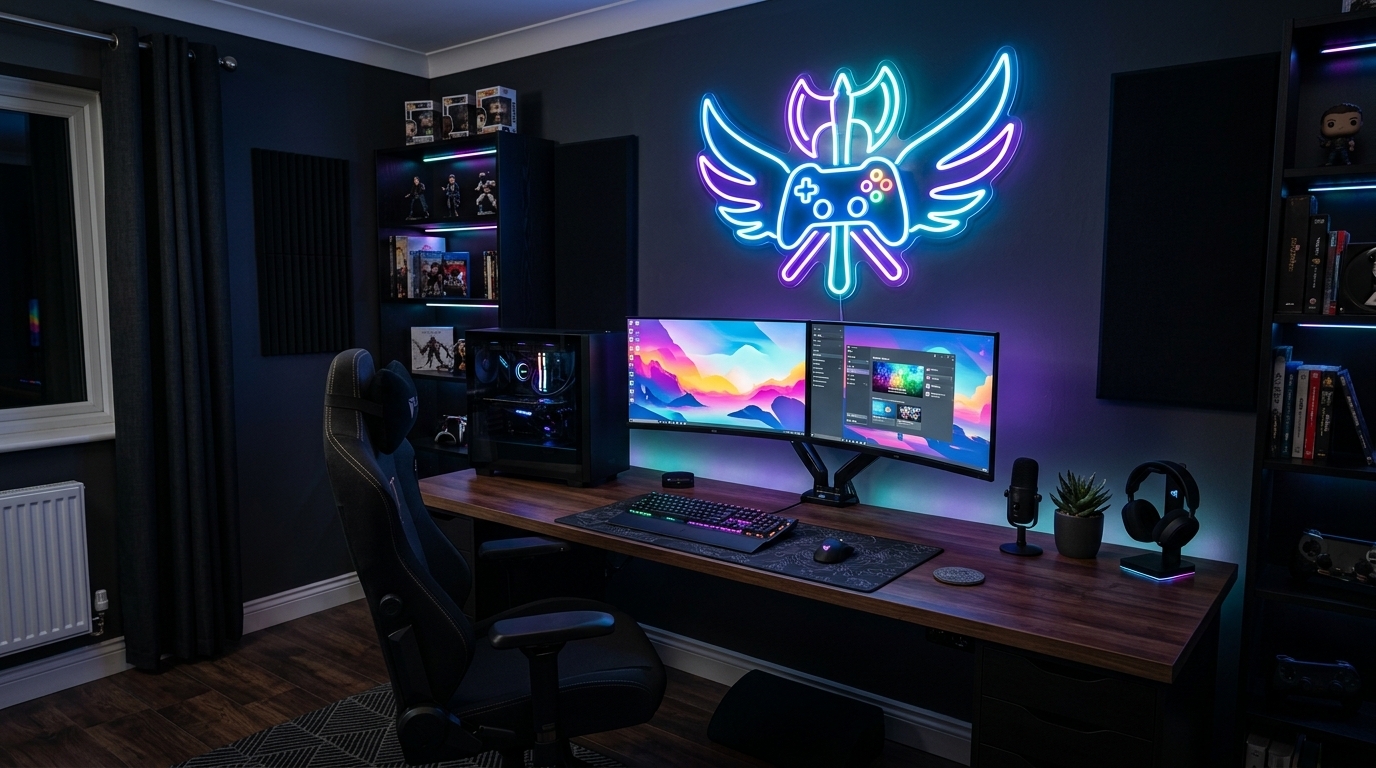
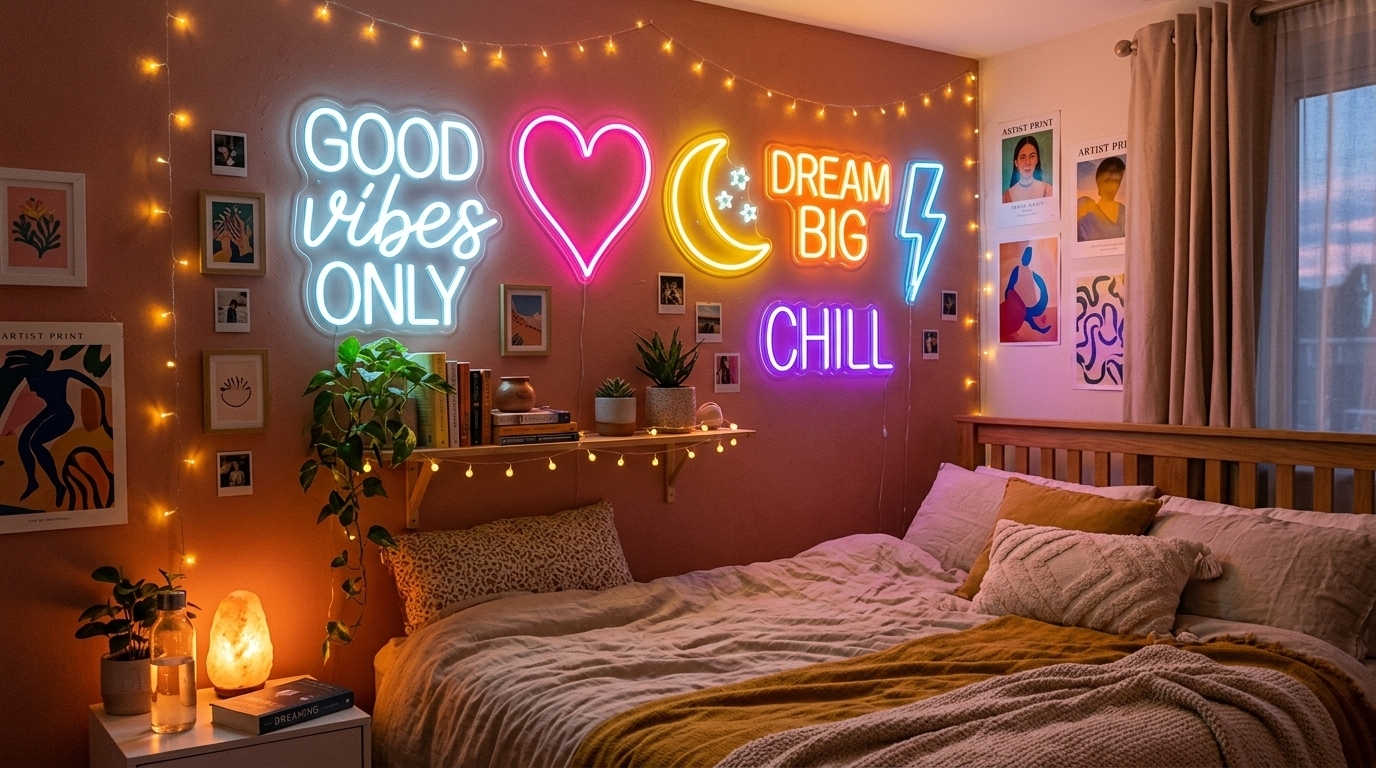
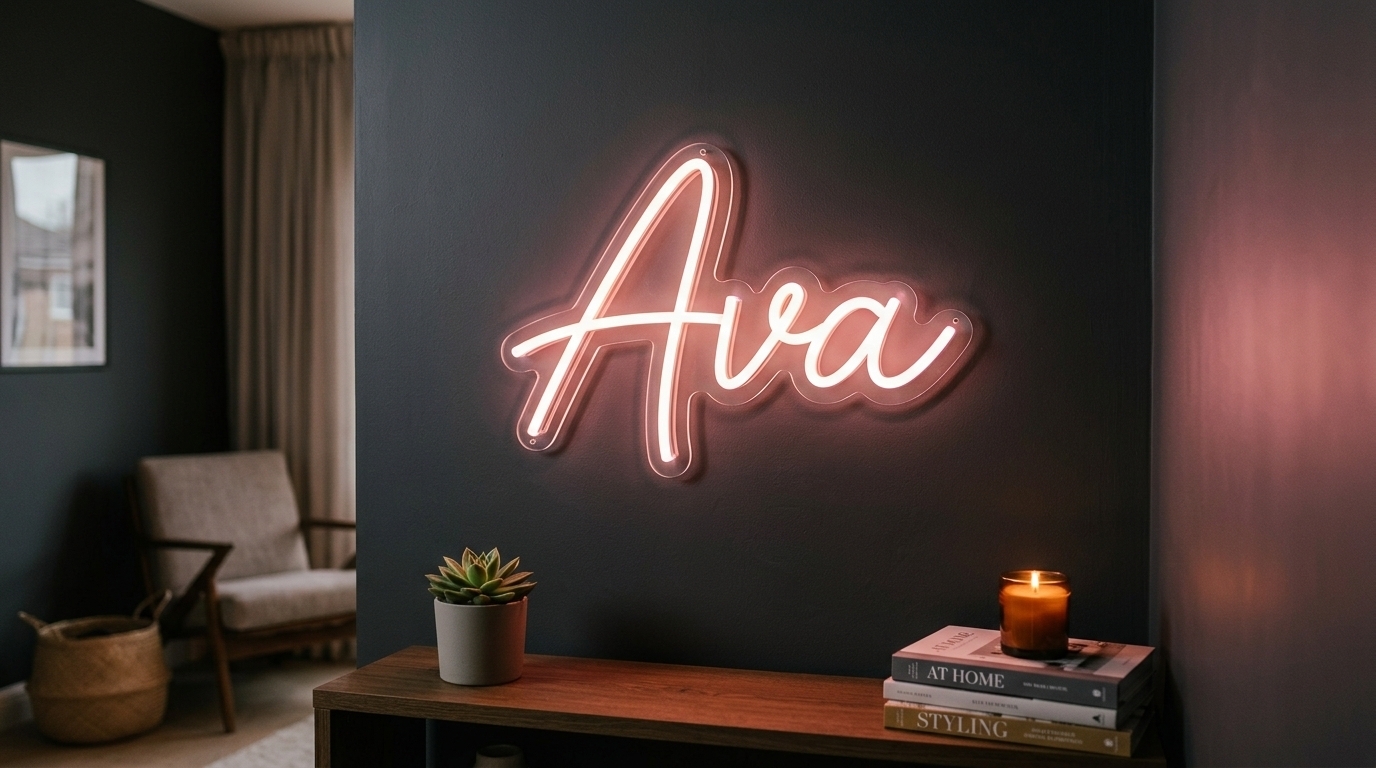
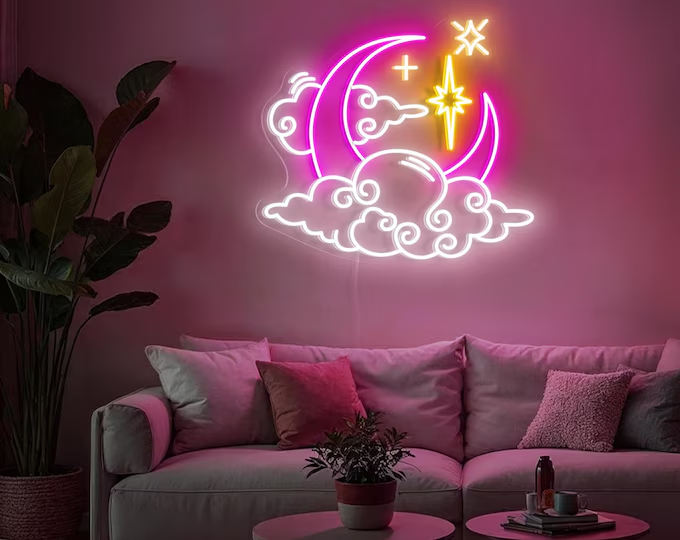
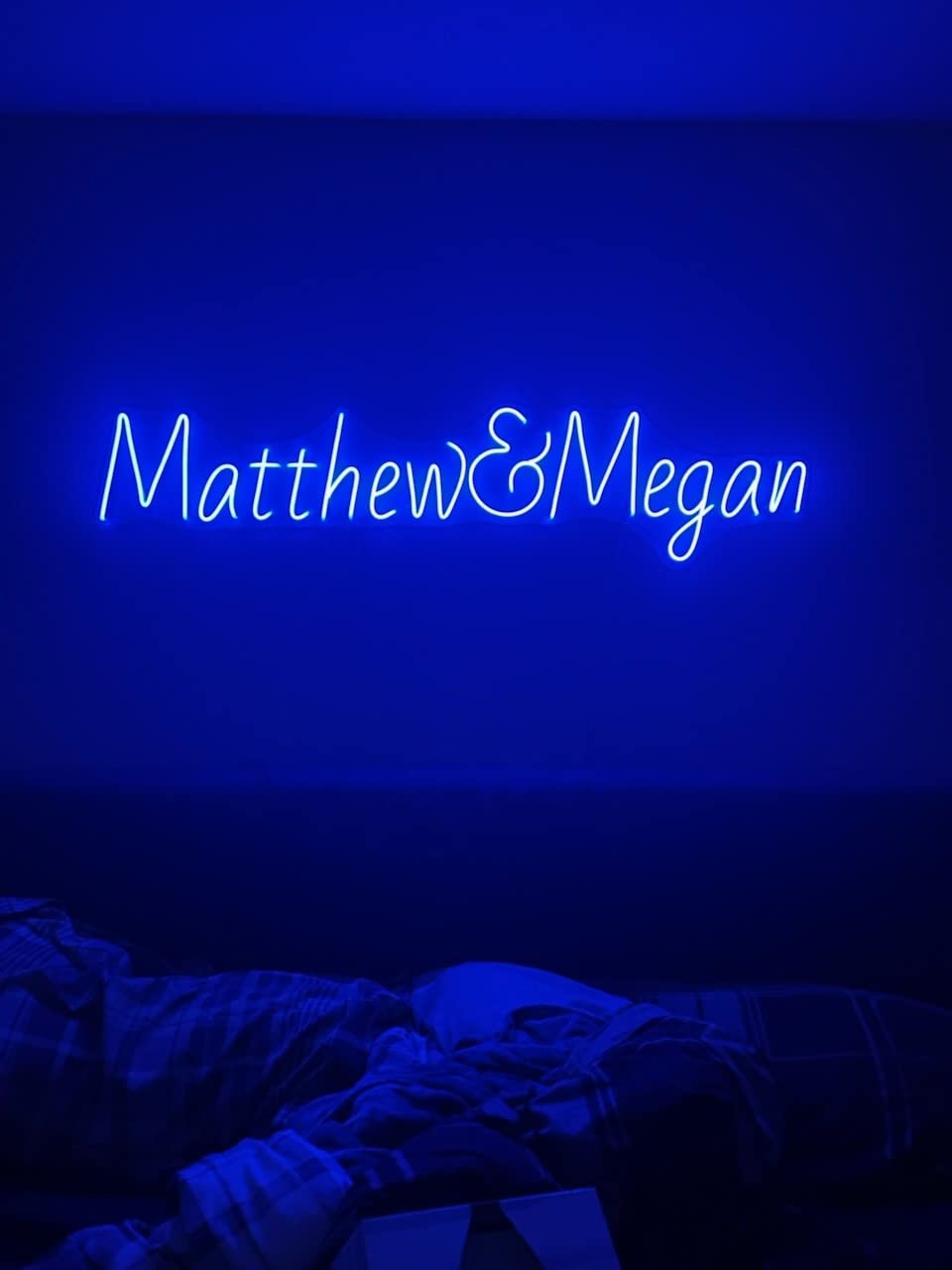
Yes, LED neon signs can be suitable for bedrooms when installed correctly. They are commonly used as wall features, above desks, behind headboards, and in gaming setups.
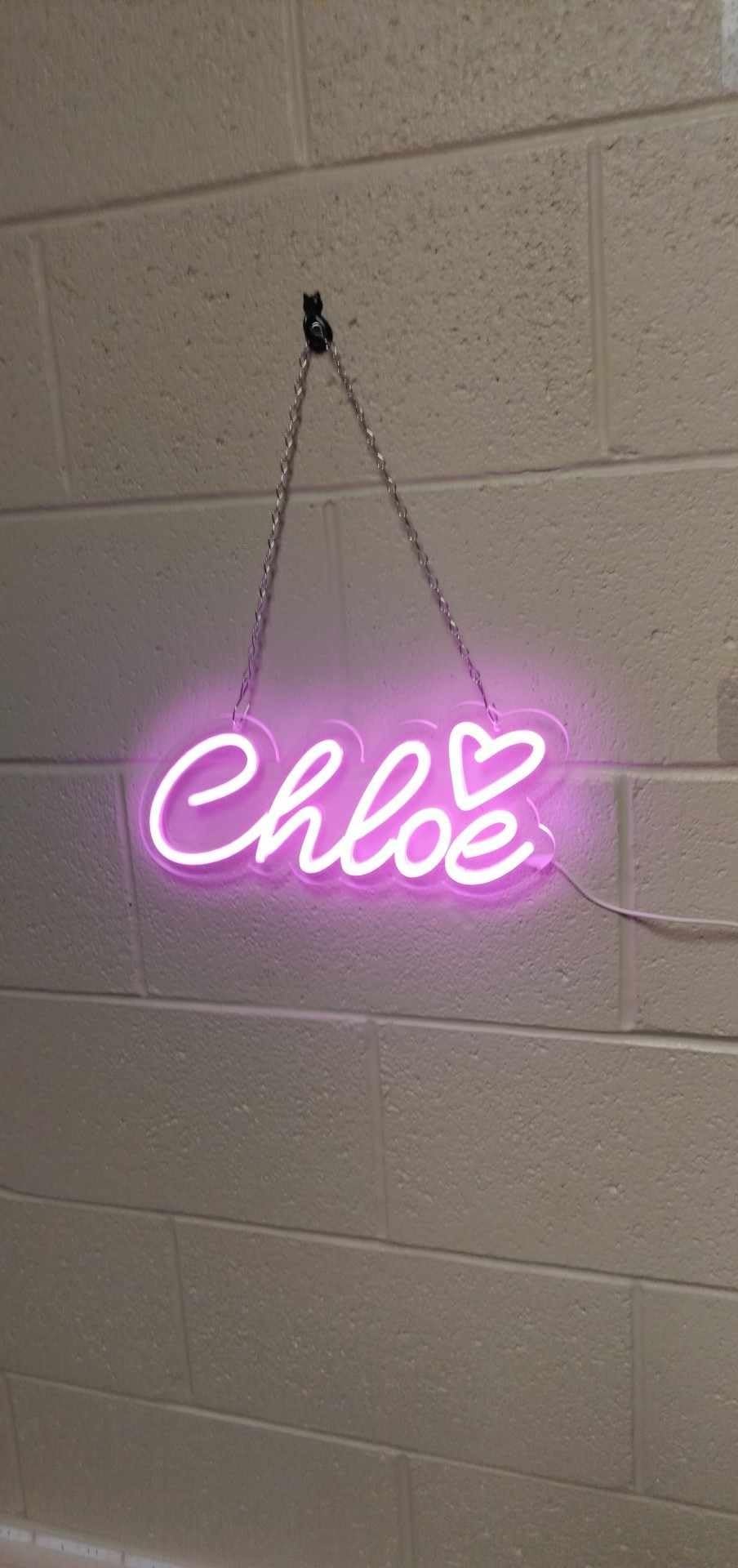
Mount it securely and route the cable so it cannot be pulled or become a trip hazard. Keep electrical connections away from water and follow the product's indoor-use rating.
A bright sign can be uncomfortable in a dark bedroom, so a dimmer or indirect position can provide softer light.
Are LED Neon Signs Safe Indoors?
LED neon is practical indoors because it is lightweight, low voltage, and designed for decorative illumination. It can suit bedrooms, offices, gaming rooms, shops, salons, cafés, and event spaces when intended for that environment.
Bathrooms, kitchens, and humid areas require extra care because electricity and moisture are dangerous together. Check the IP rating before using a sign in a damp location.
An indoor-only sign should never be treated as weatherproof simply because its tubing looks sealed.
LED Neon vs Glass Neon Safety
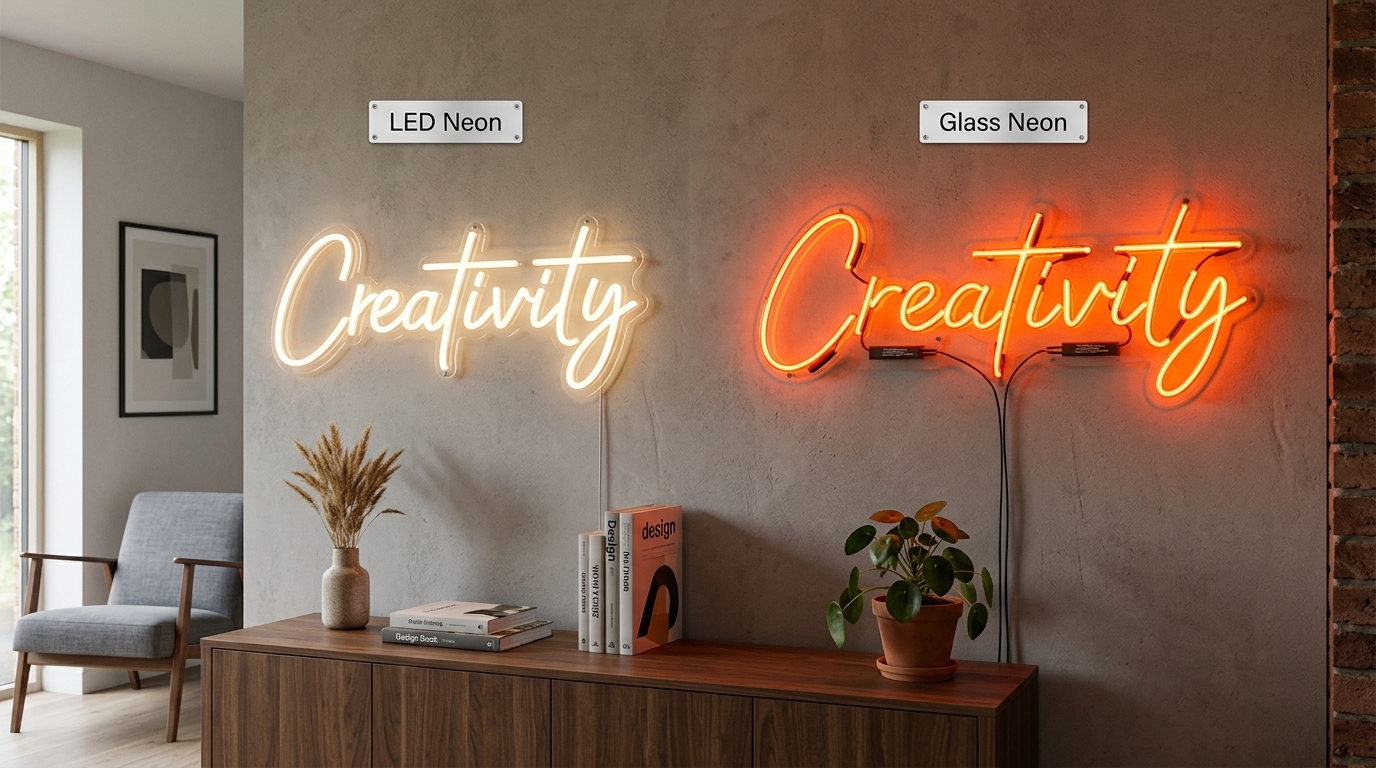
The difference between LED neon and traditional glass neon is significant. Glass neon uses shaped glass tubes and high-voltage electrical systems, while LED neon generally uses flexible tubing containing LEDs and a lower-voltage DC supply. Custom Neon describes traditional glass neon as operating at much higher voltages than LED alternatives.
Glass also creates a physical breakage risk. A broken tube can cause cuts and may require professional attention. Traditional systems can also contain gases and other substances requiring proper handling. Signs notes that damaged traditional neon needs care rather than ordinary household handling.
LED neon removes fragile glass, making it more resistant to everyday knocks.
Are LED Neon Signs Safe to Touch?
A properly functioning LED neon sign is normally safe to touch on its illuminated tubing because the LEDs operate at low voltage and are enclosed within protective material.
Never touch exposed wires, damaged connectors, or electrical components while connected to power.
Before cleaning or moving it, switch it off and unplug it. Never pull it by the cable or use it if the casing is damaged.
LED Neon Sign Fire Safety
The fire risk from a correctly manufactured and installed LED neon sign is low, but no electrical product is completely risk-free. Fire safety depends on the product, power supply, installation, and environment.
Use the supplied power adapter. Never substitute an unknown adapter simply because its plug fits; voltage, current rating, connector, and polarity must be compatible.
Keep cables away from sharp edges and heat sources. Do not overload sockets or use damaged extension leads. Keep the adapter ventilated and never cover the sign or driver with clothing, bedding, paper, or combustible materials.
If you notice smoke, sparks, a burning smell, melted plastic, repeated flickering, or unusual heat, switch it off and disconnect it safely. Do not attempt electrical repairs unless qualified.
Are LED Neon Signs Safe for Kids?
LED neon signs can suit children's bedrooms and playrooms, but installation needs extra attention. The main concerns are access, cables, mounting, and electricity.
Mount the sign securely so a child cannot pull it from the wall. Keep cables and adapters out of reach, particularly for younger children. Avoid placing the sign where it can be climbed on, knocked down, or used as a handle.
If damaged, unplug it and remove it from use.
Can Neon Signs Be Left On Overnight?
LED neon signs are designed for extended operation, but overnight use depends on the product and manufacturer's instructions. A quality sign with a suitable power supply can generally operate for long periods, but basic precautions still matter.
If left on while sleeping, ensure it is securely mounted, ventilated, dry, and undamaged.
A timer or smart plug can provide convenient control.
How to Choose a Safe LED Neon Sign in the UK
Safety should come before price, colour, or design. Check who manufactured the sign and whether the supplier provides electrical specifications, installation instructions, warranty information, and a suitable power adapter.
Check the product's voltage, power requirements, and intended environment.
For bedrooms, consider mounting hardware and cable management. If unsure about electrical installation, use a qualified professional.
Simple Safety Checklist Before You Switch It On
Before using an LED neon sign, check the complete setup. This small inspection can prevent avoidable problems.
Confirm the power supply matches the sign's requirements.
Check cables, connectors, and tubing for damage.
Mount the sign securely.
Keep the adapter ventilated and away from water.
Route cables where they cannot be pulled or tripped over.
Stop using it if you notice unusual heat, smoke, sparks, smell, or damage.
These checks help prevent avoidable electrical problems.