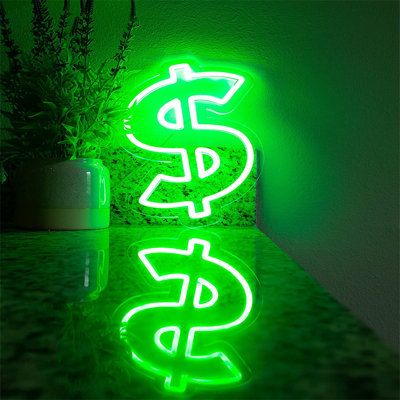
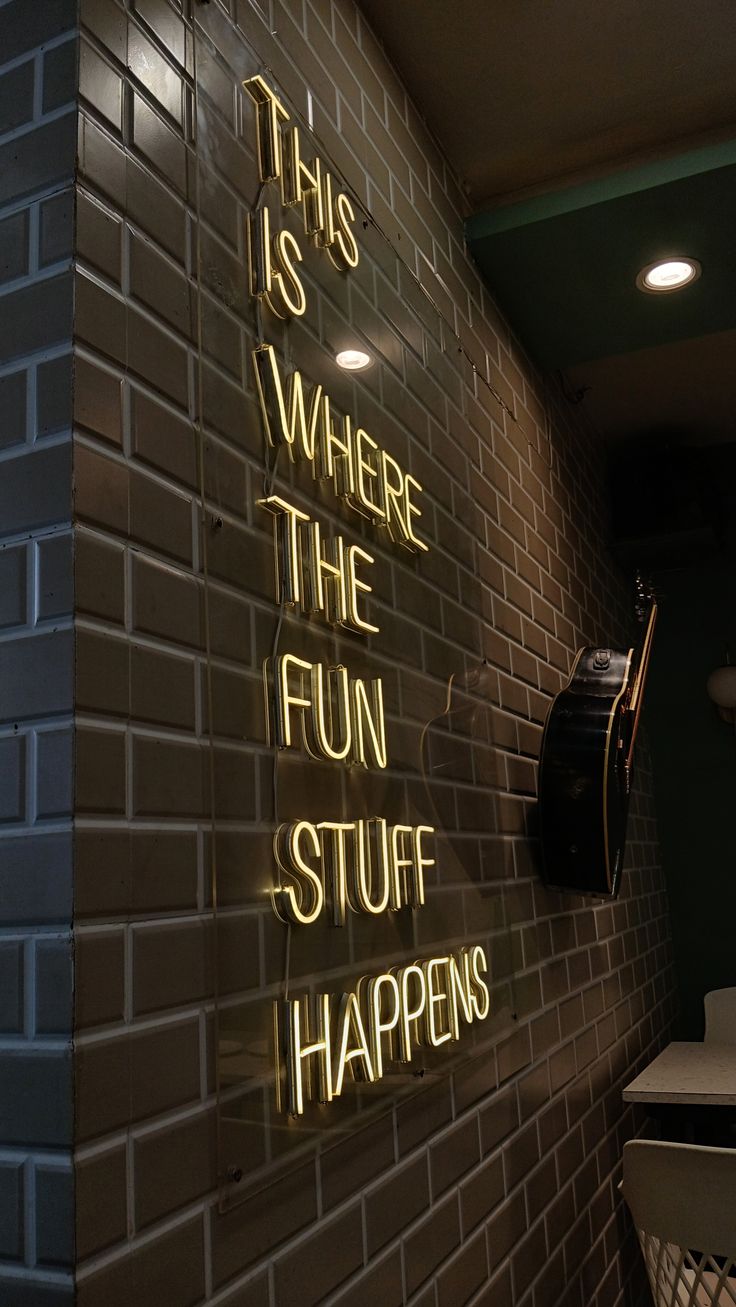
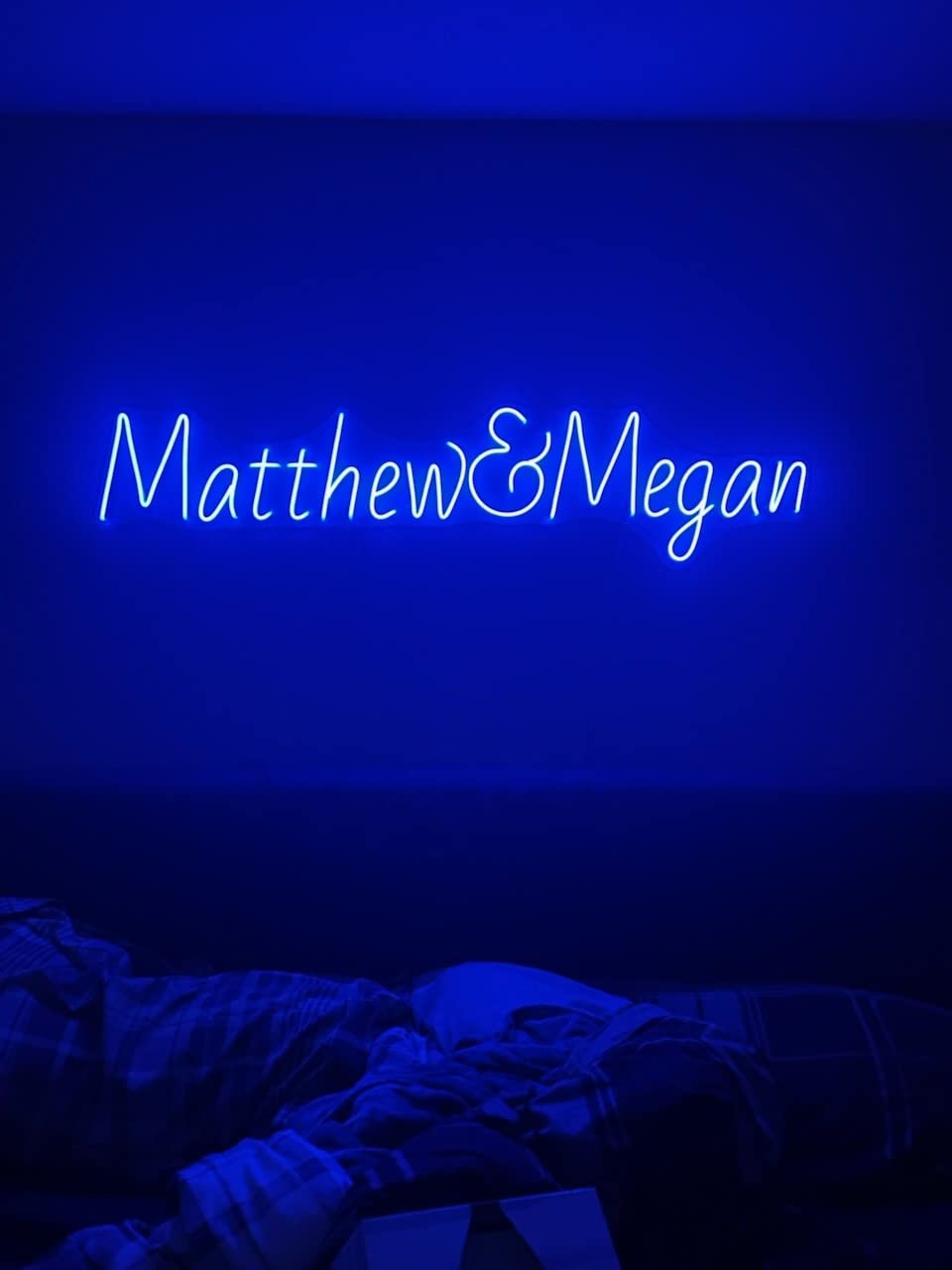
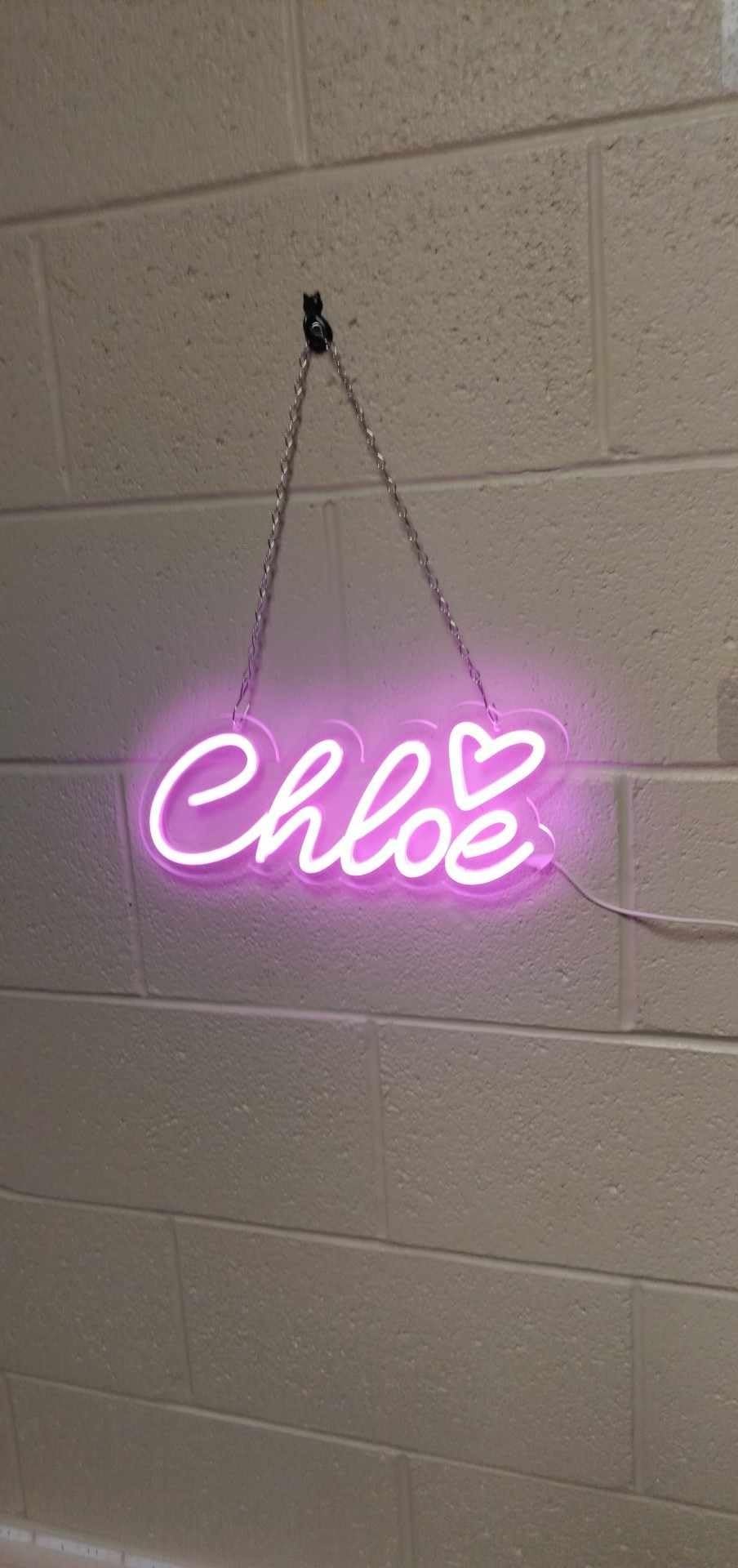
.png)
If you've been shopping for a neon sign, you've almost certainly hit this question: should it be real glass neon, or LED neon? It comes up in nearly every conversation we have with customers, and it deserves a straight answer rather than a sales pitch.
We should be upfront about where we're writing from: Crafty Neon Sign is an LED neon specialist. We don't hand-bend glass tubes in our workshop, and we won't pretend otherwise. What we do have is years of building custom LED neon full-time, watching where it genuinely holds up against the real thing, and where traditional glass neon still wins. That's the comparison below — not a case for one side, but the facts so you can decide what's right for your space.
What Is Real Glass Neon?
Traditional neon is made by heating glass tubing over a flame and hand-bending it into shape — a skill that takes years to learn properly, which is a big part of why good glass benders are becoming harder to find. Once shaped, the tube is filled with neon or argon gas (sometimes with a trace of mercury for certain colours) and sealed. Electrodes at each end connect to a high-voltage transformer, typically running between 2,000 and 15,000 volts, which ionises the gas inside the tube and makes it glow.
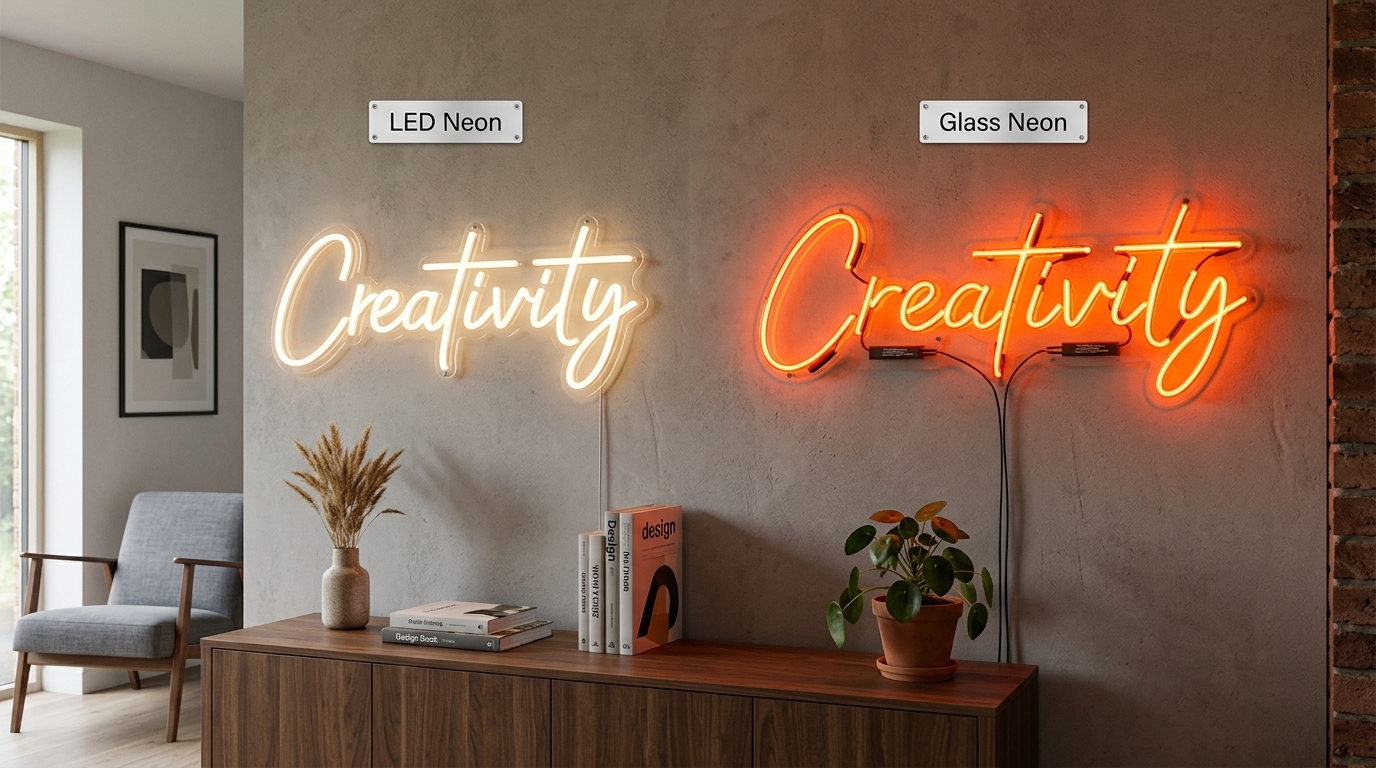
That glow is the reason people love real neon: it's genuinely self-luminous gas discharge, not a light source shining through something else, and it has a soft, slightly uneven brightness along the tube that's very hard to fake. It's also, by nature, a slow and specialist process — every bend is done by hand, one tube at a time.
What Is LED Neon (Neon Flex)?
LED neon — sometimes called neon flex — is a flexible strip of small LEDs housed inside a silicone or PU tube shaped to mimic the look of a glass neon tube. It runs on low-voltage DC power (usually 12V or 24V) through a small driver, rather than a high-voltage transformer.
Because it's flexible and doesn't need to be heated or blown, LED neon can be shaped by CNC bending or hand-forming the flex itself, which is dramatically faster than glass work. That's the main reason turnaround times for custom LED neon are measured in days, not weeks.
LED Neon vs Real Glass Neon: Side by Side
| Feature | Real Glass Neon | LED Neon |
|---|---|---|
| How it glows | Ionised gas inside glass — soft, organic, slightly uneven brightness | Small LEDs diffused through silicone — brighter and more uniform |
| Power | High voltage (2,000–15,000V) via transformer | Low voltage (12V/24V) via driver |
| Build time | Weeks — every tube is hand-bent | Days — cut and shaped from flexible material |
| Durability | Glass can crack or shatter; needs careful handling and shipping | Flexible and impact-resistant; ships and installs easily |
| Weight | Heavier, more fragile mounting | Light, straightforward to mount |
| Running costs | Higher power draw per sign, plus transformer upkeep | Lower power draw; LEDs are efficient by design |
| Lifespan | 8–15 years typical, but electrodes and gas seals can fail | LEDs commonly rated 30,000–50,000+ hours, though casings can yellow with heavy UV exposure over time |
| Repairs | Needs a specialist glass bender; often means remaking the damaged section | Usually a straightforward driver, wiring, or section swap |
| Colour & dimming | Limited to gas/phosphor combinations; dimming needs special transformers | Wide colour range, easy dimming, some multi-colour and chasing effects |
| Cost | Higher, due to scarce skilled labour and slower process | Generally more affordable for the same custom design |
Is LED Neon as Good as Real Neon?
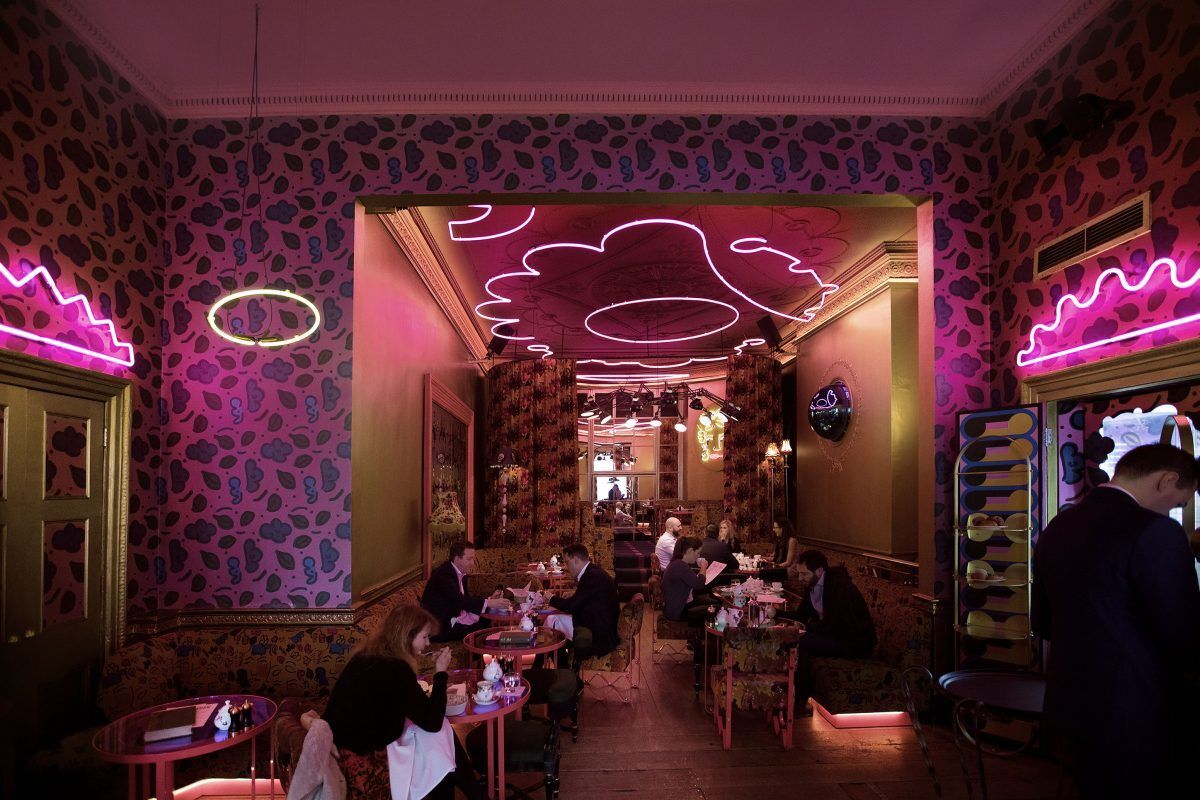
Depends what "good" means to you. If you're chasing the exact glow of gas-discharge light, and the sign is a design centrepiece where that specific glow quality matters — a vintage-style restoration, an art installation, a purist's home bar — glass neon still has an edge that good LED neon hasn't fully closed, particularly close up.
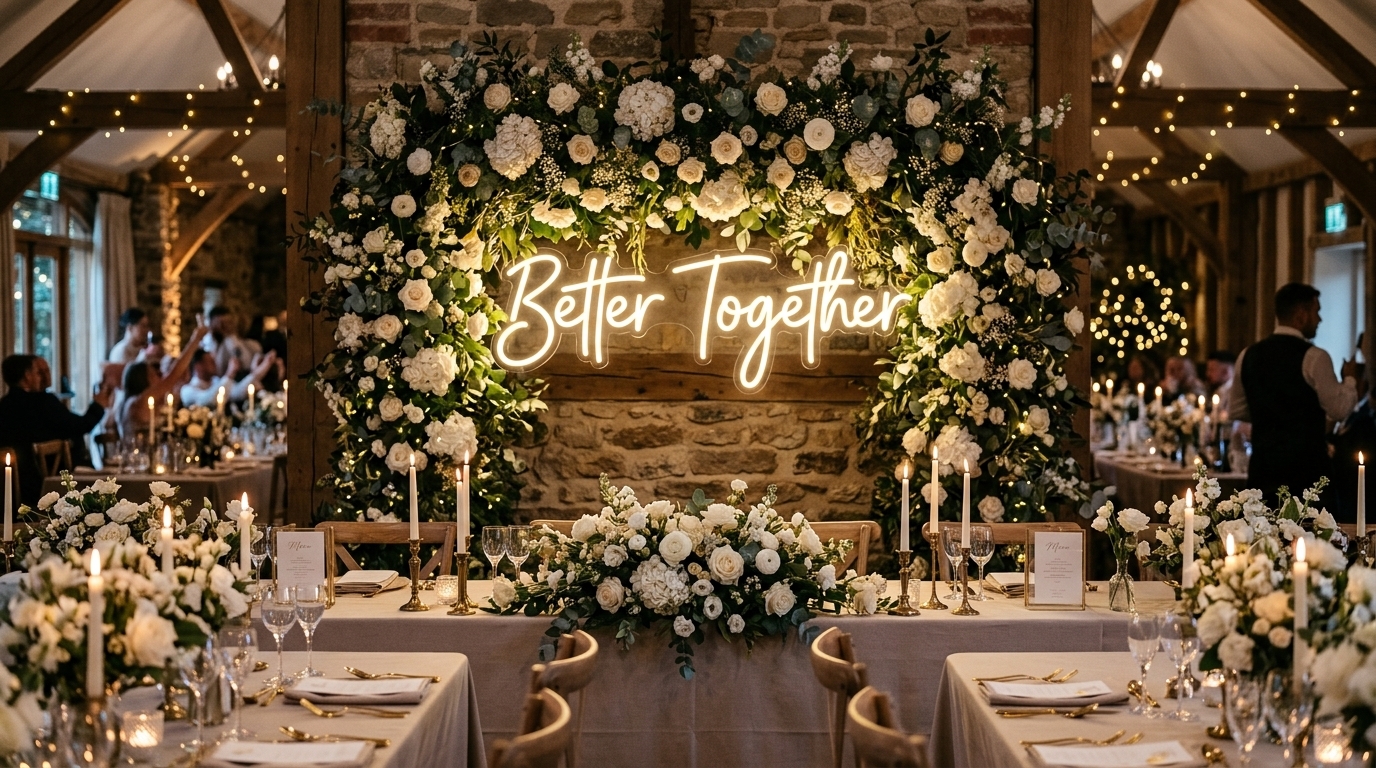
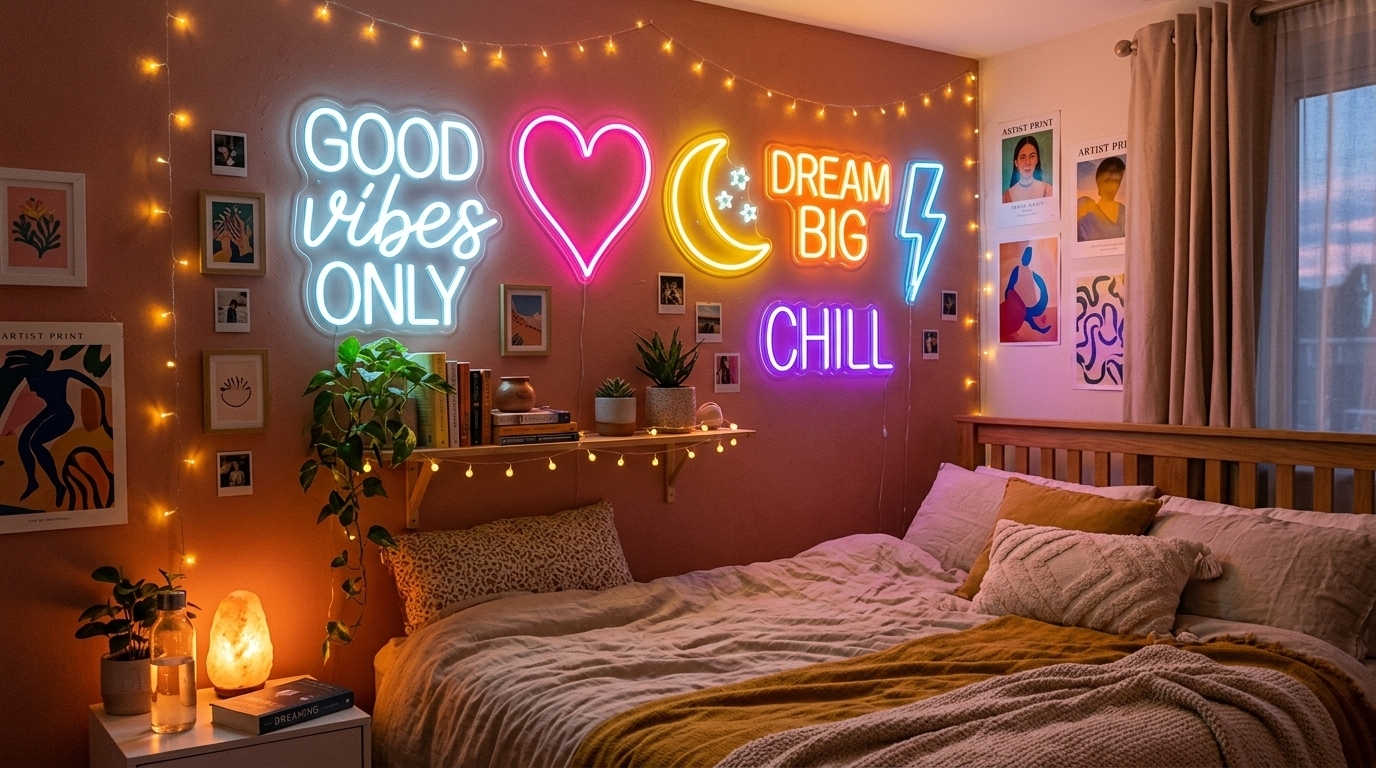
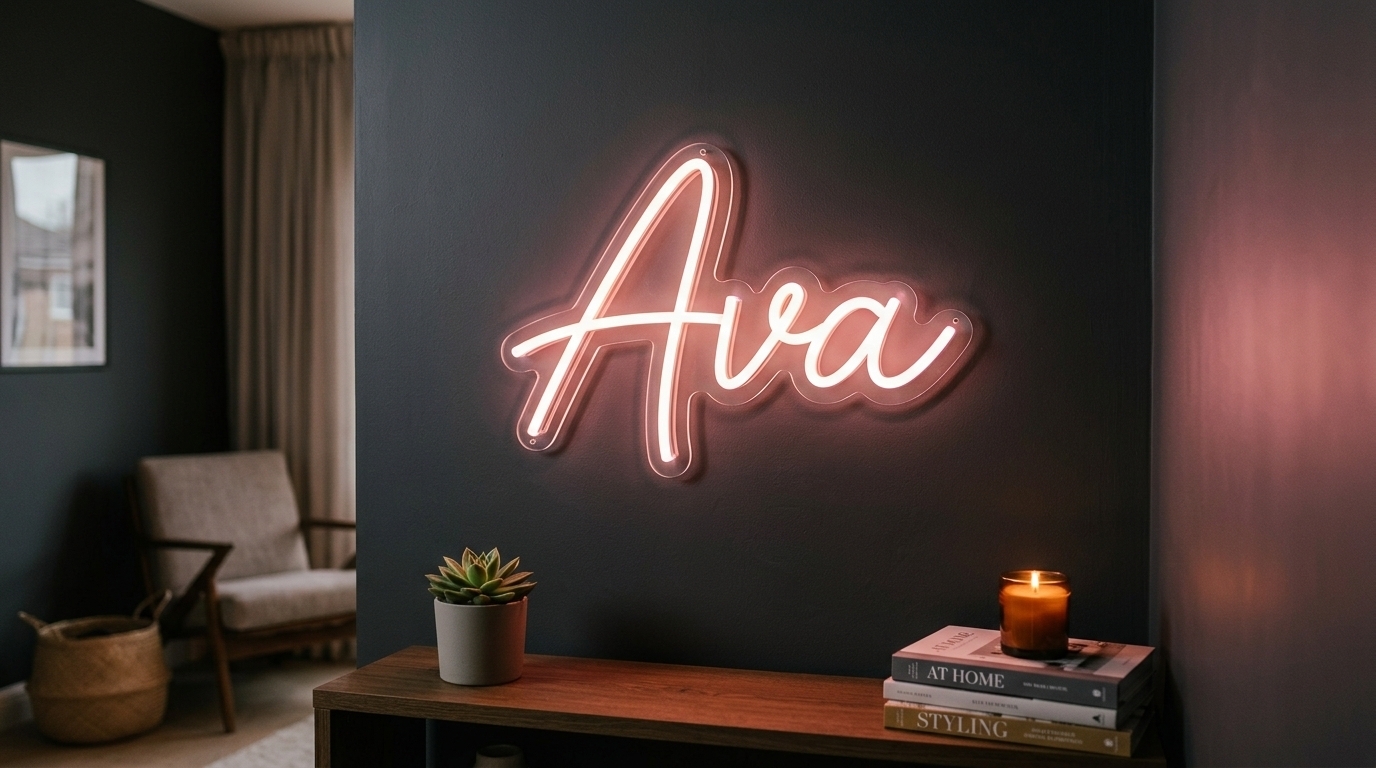
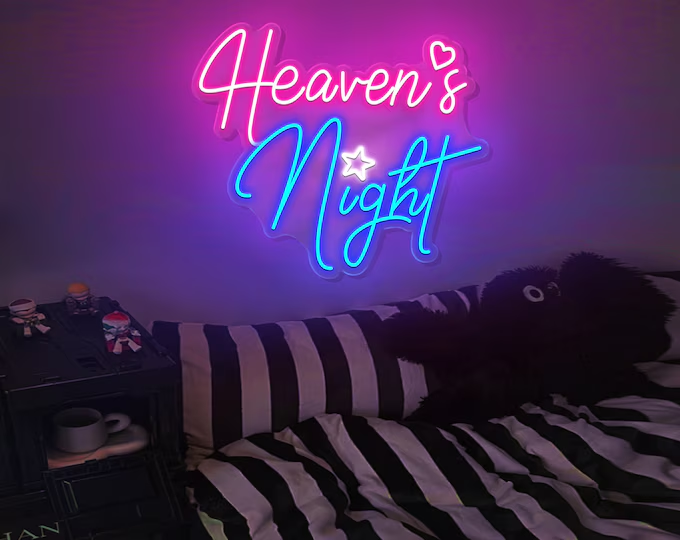
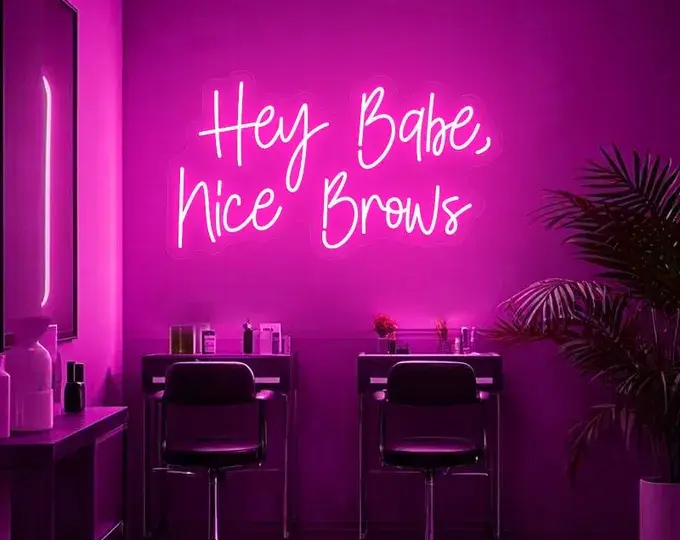
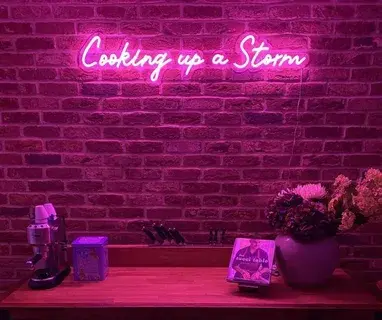
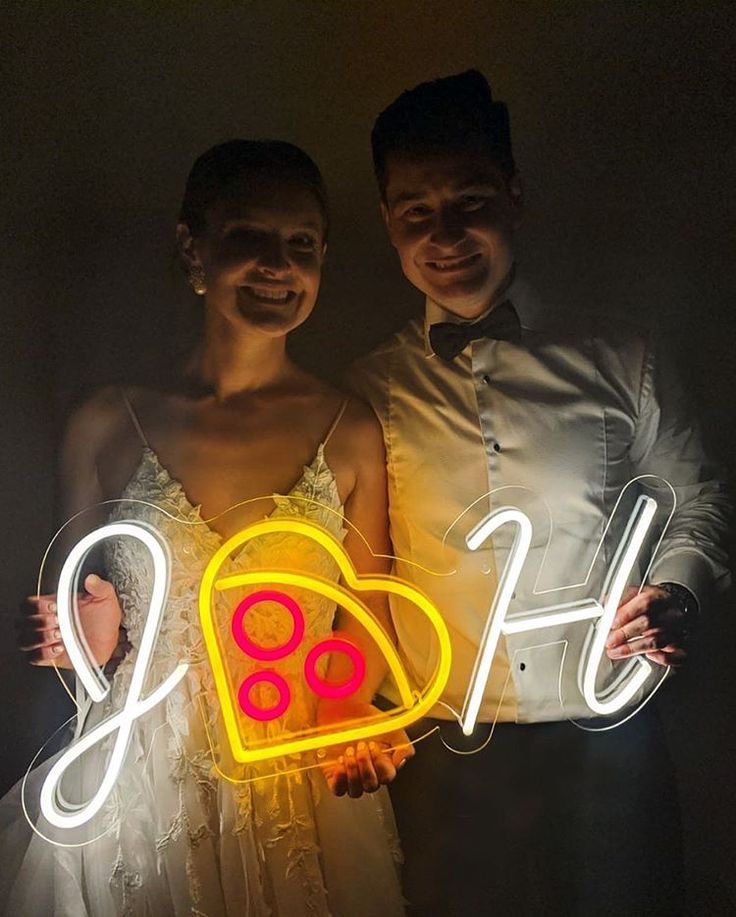
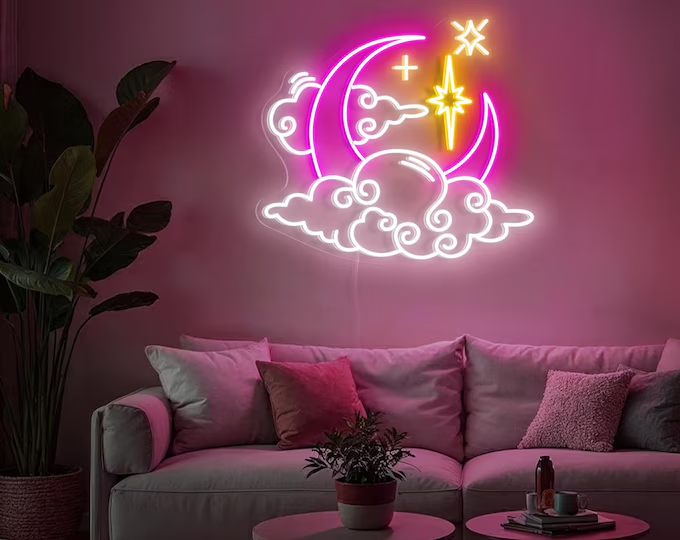
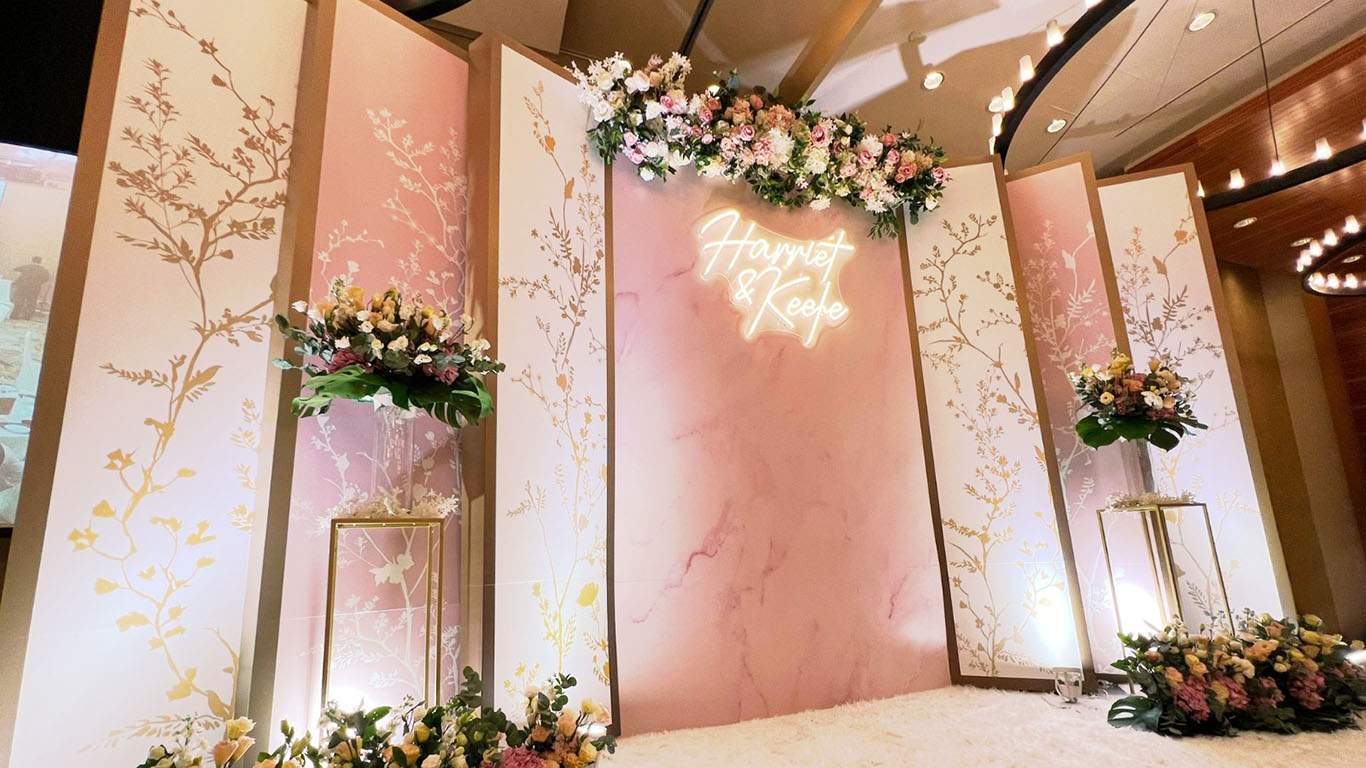
But for the vast majority of what people actually buy neon signs for — a business logo, a wedding backdrop, a bedroom or gaming room feature, event signage — LED neon isn't a compromise, it's usually the better tool for the job. It's safer to install (no high-voltage transformer), far more forgiving if it gets knocked, ships without the fragility of glass, and gives you far more freedom with colour and shape. In photos and at normal viewing distance, most people can't reliably tell the difference at all.
When Real Glass Neon Still Makes Sense
Real glass neon is worth seeking out specifically when you want to restore or recreate a genuinely vintage piece, when the exact character of gas-discharge light is the point of the piece (galleries, art collectors, purist retro bars), or when a client specifically wants the heritage and craft story that comes with hand-blown glass. It's a narrower set of cases than it used to be, but it's a real one.
When LED Neon Is the Better Choice
For almost everything else — business signage, home décor, weddings and events, gaming setups, shopfronts — LED neon wins on the things that actually matter day to day: faster turnaround, safer low-voltage operation, more custom shapes and colours, easier shipping and installation, and lower running and repair costs. It's also simply more practical if the sign needs to survive being unplugged, moved, or occasionally bumped into.
Neon Sign Types, Explained
A quick reference, since "neon sign" gets used loosely:
Traditional glass neon — hand-bent glass tube, gas-filled, high voltage. The original.
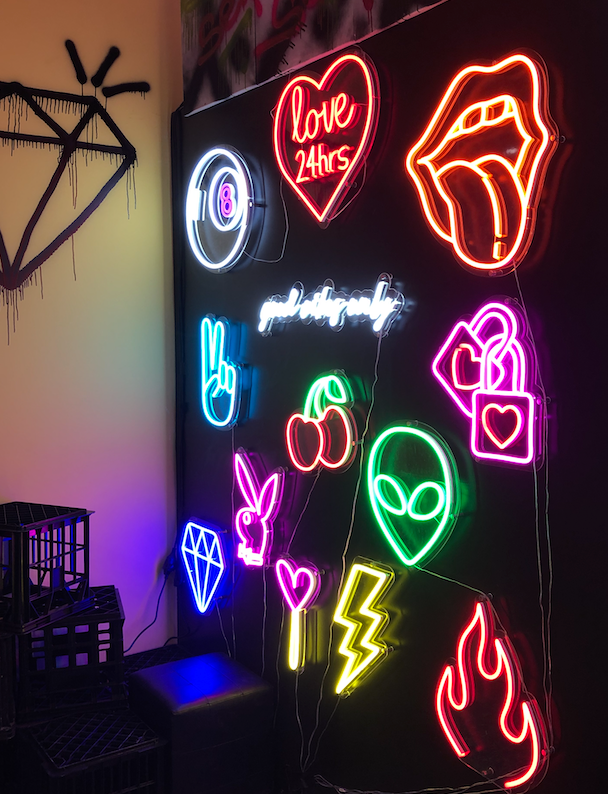
LED neon flex — flexible LED strip in a silicone or PU tube, low voltage. What most modern custom signs use, including ours.
Neon-effect acrylic / edge-lit signs — LEDs shining through or along the edge of an acrylic panel, giving a flatter, more graphic look rather than a tube glow.
If someone says "neon sign" today without specifying, there's a good chance they mean LED neon — it's become the default for custom signage.